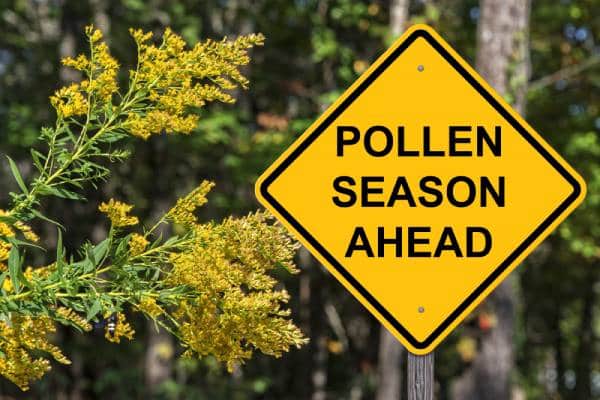
Fortunately, you can take steps to limit your sneezing and sniffling by following these tips.
Be proactive with your care—Ragweed blooms in mid-August in most places, so it’s best to start your medications before then.
Make sure you’re masked up—When working outside, wear an N95 mask to block allergens from entering your nose or mouth.
Put pollen in its place—Keep windows in your car and home closed when pollen counts are high, ensuring your spaces stay allergen-free.
Rinse away your troubles—Change clothes after being outside, clean your nasal passages with a saltwater solution and take a shower before you go to sleep at night to reduce your ragweed exposure.
Don’t stop meds prematurely—Since you can still experience allergy symptoms after ragweed pollen is no longer in the air, you should only cease taking your medication three weeks after the first frost.
If over-the-counter medications aren’t cutting it, immunotherapy (allergy shots or drops placed under the tongue) might be the right solution for long-term relief.
85% of people with allergic rhinitis (hay fever) have found relief from their symptoms through immunotherapy. Could you be one of them? Request an allergy consult with our team today to determine if you’re a good candidate.
Living with allergies often feels like an endless cycle of avoiding triggers and managing symptoms. Many patients ask about the success rate of immunotherapy...
Seasonal allergies, also known as hay fever or allergic rhinitis, affect millions of people, causing discomfort and disrupting daily activities. We understand how these...